


What to Do If You Left Something in a Taxi in Melbourne
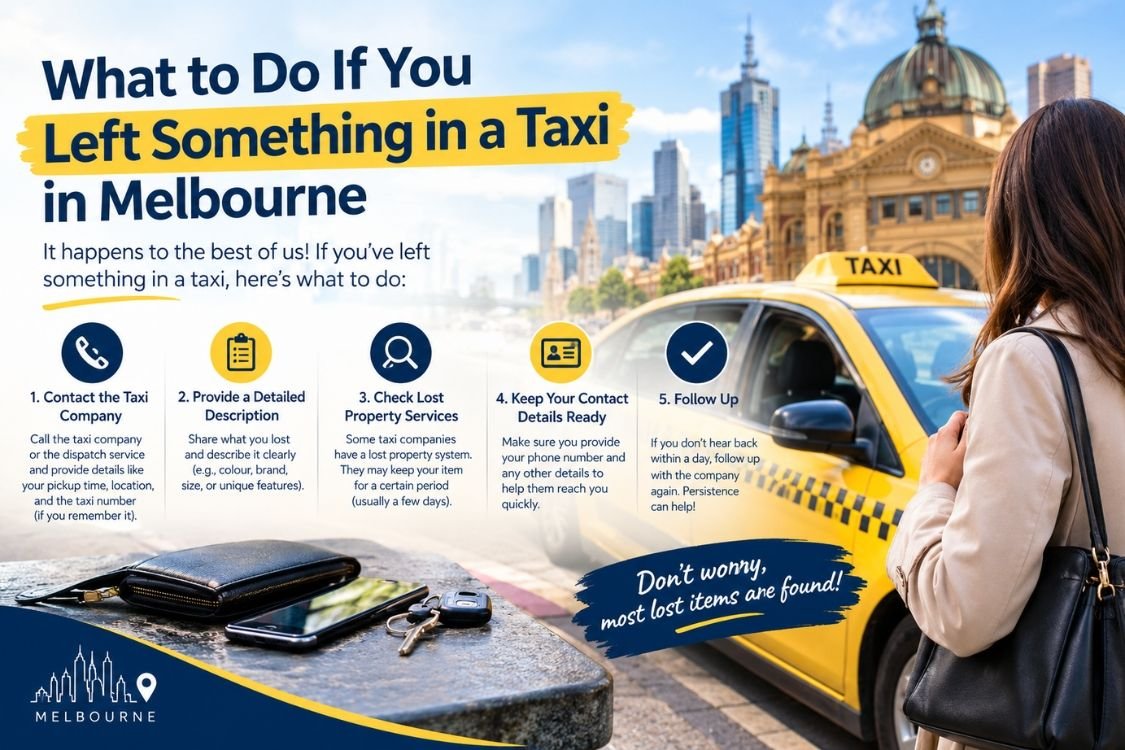
That sinking feeling is hard to forget. You step out of a taxi, walk a few metres, and realise your phone, wallet, or bag is still on the back seat. It happens to travellers every day, and many items do make their way back to their owners.
What you do in the first hour matters most. This guide walks you through the steps so you can act quickly and calmly.
Act Fast: Your First Steps
Time is the biggest factor in recovering a lost item. The sooner you report it, the more likely the driver is still nearby and has not yet cleaned the vehicle or taken another passenger.
Stay Calm and Retrace Your Trip
Think through the journey. Where were you picked up and dropped off? Did you sit in the front or the back? Did you pay by card, cash, or through an app? These details help the company identify the right vehicle.
If your ride was pre-booked, your confirmation message will hold most of this information. Passengers who book a trusted taxi in Melbourne ahead of time usually have the pickup time, address, and vehicle details saved, which makes tracing a lost item much quicker.
Check Your Own Belongings First
Before you panic, check your coat pockets and the bottom of your bag. Phones often slip into jacket linings. If you can borrow a phone, ring your own number, since the driver may answer.
Contact the Taxi Company Straight Away
Your best chance of recovery is reaching the operator as quickly as possible.
Information to Have Ready
Gather these details before you call:
- Date and approximate time of the trip
- Pickup and drop-off locations
- Booking reference, receipt, or vehicle number
- A clear description of the item, including colour, brand, and markings
- Your contact number
The more specific you are, the faster the operator can match your description to what the driver has found.
What If You Hailed the Taxi on the Street?
Street hails are trickier because there may be no booking record. Check your banking app for the payment and merchant name, and look at any paper receipt for a taxi number. Then contact the company named and share your trip details. If you cannot identify the company, check official Victorian transport resources for guidance on reporting lost property.
Commonly Forgotten Items and What to Do
Different items call for slightly different responses.
Phones, Wallets, and Keys
These are the most common and the most urgent. For a phone, try a locate-my-device feature and lock it remotely if needed. If cards are missing, watch your accounts and contact your bank if you feel unsure.
Luggage and Large Bags
Big items are rarely missed by drivers, so they are often found quickly. Describe the bag in detail, including tags or distinctive straps, and mention which terminal you were dropped at if it was an airport trip.
Baby and Child Items
Families often leave behind small but important things, like soft toys, bottles, or nappy bags. If you travelled in a taxi with a car seat and baby seat, mention the seat in your report, as it helps the operator pinpoint the exact vehicle.
Be Patient and Follow Up
Once you have reported the item, give the operator time. The driver may be mid-trip or finishing a shift before checking the vehicle. If you have not heard back within a day, follow up politely and share any new details you remember.
When an item is found, ask about the collection process, any identification you may need, and whether a handling or delivery cost applies.
How to Avoid Losing Things in Future
A few simple habits can save you the stress next time.
- Do a quick seat check. Look at the seat, floor, and door pockets before you open the door.
- Keep valuables close. Hold your phone and wallet or keep them in an inside pocket instead of beside you on the seat.
- Screenshot your booking. It gives you the date, time, and details ready if something goes missing.
Final Thoughts
Leaving something in a taxi is stressful, but it is rarely the end of the story. Act quickly, gather your trip details, contact the company, and describe your item clearly. Then stay patient while the operator checks the vehicle.